Delve Into the Domain of Fair Trade Tea: Outstanding Brews That Enable Sustainable Practices
Fair Trade tea demonstrates a perfect equilibrium of quality and ethics. Each cup grants a unique flavor profile while championing sustainable farming practices. This process not only elevates the tea experience but also assists struggling agricultural producers. Understanding its sources and certification processes discloses richer dimensions of consequence. As consumers become more deliberate about their choices, the reach of Fair Trade tea extends beyond flavor. What sits beneath the layer of these choices?
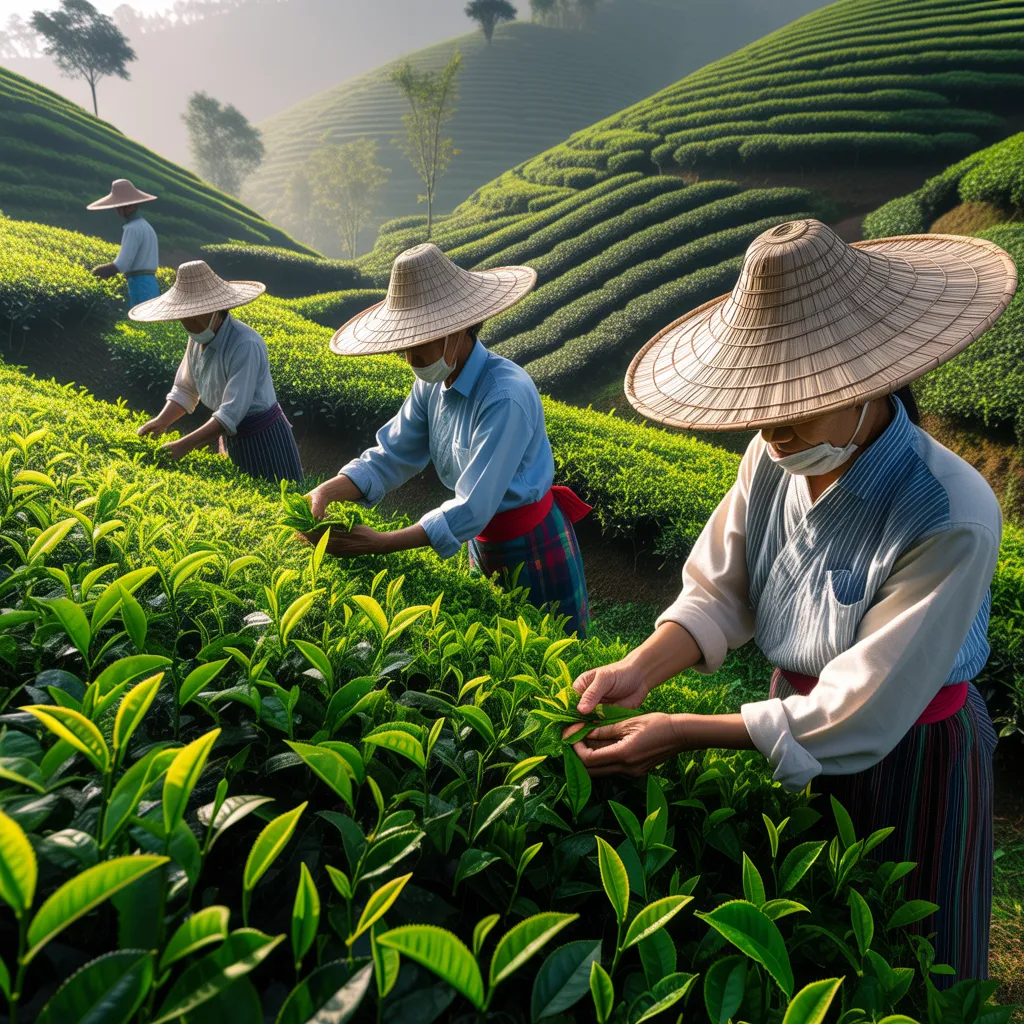
Understand the History of Fair Trade Tea
Fair Trade tea originates from the social and economic campaigns designed to improve the circumstances of marginalized farmers. Commencing in the latter part of the 1900s, this endeavor aimed to resolve unfairness in global trade, particularly in developing countries where tea is commonly cultivated. The effort gained popularity as buyers became increasingly aware of the difficult circumstances experienced by small-scale farmers, including unfair pricing and mistreatment by major enterprises.
Through cooperative structures, Fair Trade aimed to empower these farmers, ensuring they received fair compensation and support for sustainable farming practices. The movement also focused on promoting ecological stewardship, encouraging organic farming and biodiversity. As knowledge increased, Fair Trade tea turned into a symbol of responsible purchasing, connecting consumers directly with the origins of their beverages. By selecting Fair Trade tea, individuals contribute to a larger vision of social justice and economic equity, fostering a more sustainable future for tea-growing communities.
Grasp the fundamentals of responsible sourcing for sustainable practices
Grasping Fair Trade certification is fundamental to recognizing how sustainable practices are sustained within the tea industry. This certification promises that producers receive fair wages and work under safe conditions, which directly aids community development. Fair Trade standards support environmentally sustainable farming methods, reducing the use of harmful chemicals and encouraging biodiversity.
Certification enhances transparency in the supply chain, permitting customers to trace their tea back to its origin. By following these guidelines, farms engage in practices that protect environmental assets and support local environments. Additionally, Fair Trade organizations often deliver educational resources and instruction to agricultural producers, empowering them to improve their production methods and financial security.
In the final analysis, Fair Trade certification improves the standard of tea while synchronizing consumer preferences with principled and sustainable beliefs, establishing it as an indispensable aspect of the tea industry's commitment to social accountability and ecological stewardship.
Browse Premium Selection of Fair Trade Tea
While many tea aficionados relish the rich flavors and aromas of multiple tea options, studying the top varieties of Fair Trade tea indicates a more profound commitment to ethical sourcing and sustainability. Some favored options include Fair Trade Assam, noted for its bold, malty taste, and Fair Trade Darjeeling, often dubbed the "Champagne of teas" for its refined botanical undertones. Another important variety is Fair Trade Earl Grey, combined with bergamot, presenting a distinctive orange essence.
Additionally, Fair Trade Green Tea, praised for its stimulating qualities and health benefits, is increasingly preferred among health-conscious consumers. Herbal blends, such as Fair Trade Chamomile and Peppermint, also excel, delivering soothing and calming effects. Each of these varieties not only offers exceptional flavor but also benefits farmers and communities working for better livelihoods, making them a responsible choice for tea lovers seeking quality and ethical assurance.
Brewing Fair Trade Tea: Directions for a Wonderful Cup
To prepare the ultimate cup of Fair Trade tea, precision is important, as the correct techniques can improve the tea's distinctive aromas and smells. First, the water quality is fundamental; using purified water provides a clean taste that allows the tea's features to be highlighted. The water temperature is also vital; distinct teas demand particular heat levels; boiling for black tea and cooler temperatures work for green or herbal tea types.
Then, the infusion time should be precisely maintained. Oversteeping can produce bitterness, while understeeping may not release the full flavor profile. A typical suggestion is 3-5 minutes for black tea and 2-3 minutes for green tea.
In conclusion, getting the correct tea-to-water ratio optimizes the flavor; one teaspoon of loose tea per cup is a fine starting point. By following these tips, tea enthusiasts can truly enjoy the rich offerings of Fair Trade tea.
Environmental Benefits of Fair Trade Tea
Brewing Fair Trade tea not only improves the tea encounter but also supports eco-friendly farming methods that benefit the environment. Fair Trade accreditation encourages farmers to use natural cultivation techniques, which decrease the dependence on damaging chemicals and synthetic inputs. This approach fosters biodiversity, helping to preserve local habitats and safeguard animal sanctuaries.
Furthermore, Fair Trade methods often focus on soil health and water conservation, ensuring that tea cultivation does not drain essential resources. By supporting small-scale farmers, Fair Trade also fosters agroforestry, which combines tea cultivation with other crops and trees, further boosting environmental resilience.
Furthermore, Fair Trade tea typically involves environmentally friendly packaging and delivery systems, lowering the greenhouse gas emissions associated with its delivery. Ultimately, selecting Fair Trade tea demonstrates a deliberate commitment to foster a increasingly eco-friendly farming approach that honors both the Earth and its inhabitants.

The Impact of Your Tea Choice in Strengthening Global Communities
Selecting Fair Trade tea strengthens global communities by providing farmers with fair wages and improved labor standards. This dedication guarantees that tea growers can maintain their incomes while putting money in their loved ones and local economies. By purchasing Fair Trade tea, consumers contribute to the growth of vital local services, such as schooling and healthcare.
Fair Trade accreditation encourages responsible conduct, requiring businesses to follow guidelines that emphasize employee protections and environmental sustainability. As a result, growers are incentivized to grow premium tea, which not just improves their earnings but also fosters satisfaction in their work.
Furthermore, the immediate trading relationships established through Fair Trade eliminate exploitative middlemen, allowing farmers to connect with customers worldwide. This openness cultivates trust and promotes a global appreciation for the cultural significance of tea. Ultimately, each cup of Fair Trade tea acts as a reminder of the beneficial effect individuals can have on worldwide populations through mindful consumption.
Regularly Asked Questions
What Approaches Should I Use to Identify Fair Trade Tea Products Available in Stores?
To find responsibly sourced tea brands in stores, one should check for certification labels, such as Fair Trade Certified or Rainforest Alliance. Additionally, examining companies focused on ethical sourcing can support making informed choices.
Do Fair Trade Tea Items Offer Any Health Benefits?
Fair trade tea can deliver numerous health advantages, including antioxidants that enhance cardiovascular health, enhanced digestive wellness, and greater mental clarity. Moreover, responsible sourcing practices encourage eco-friendly farming, ultimately fostering a more vibrant environment and stronger community health.
Can I Locate Ethically Sourced Tea in Online Marketplaces?
Yes, fair trade tea is widely available in internet retailers. Many stores provide a wide selection of brands and blends, ensuring consumers can conveniently obtain ethically sourced detailed guide options that support both sustainability and ethical working conditions.
In What Ways Does Fair Trade Tea Affect Local Economies?
Fair trade tea positively impacts local economies by providing farmers with fair wages, fostering community development, and encouraging sustainable farming practices. This assistance improves living standards, promotes economic stability, and empowers communities to allocate resources toward education and healthcare.
What Approaches Should I Employ to Preserve Fair Trade Tea for Maximum Freshness?
To boost quality, fair trade tea should be stored in an sealed jar, protected from strong odors, humidity, and light. Keeping it in a dark, cool location helps protect its scent and taste over time.